Meet the Spiders
Web or Hunter?
Every spider in this guide hunts one of two ways. Some build a web and wait for dinner to fly or wander in. Others hunt on foot, stalking, chasing, or pouncing like tiny tigers. We will show you a spider. You call it: web builder, or on-foot hunter? Ten rounds. How many can you get?
Spider Basics: Eight Legs, Two Body Parts, Zero Worries (Almost)
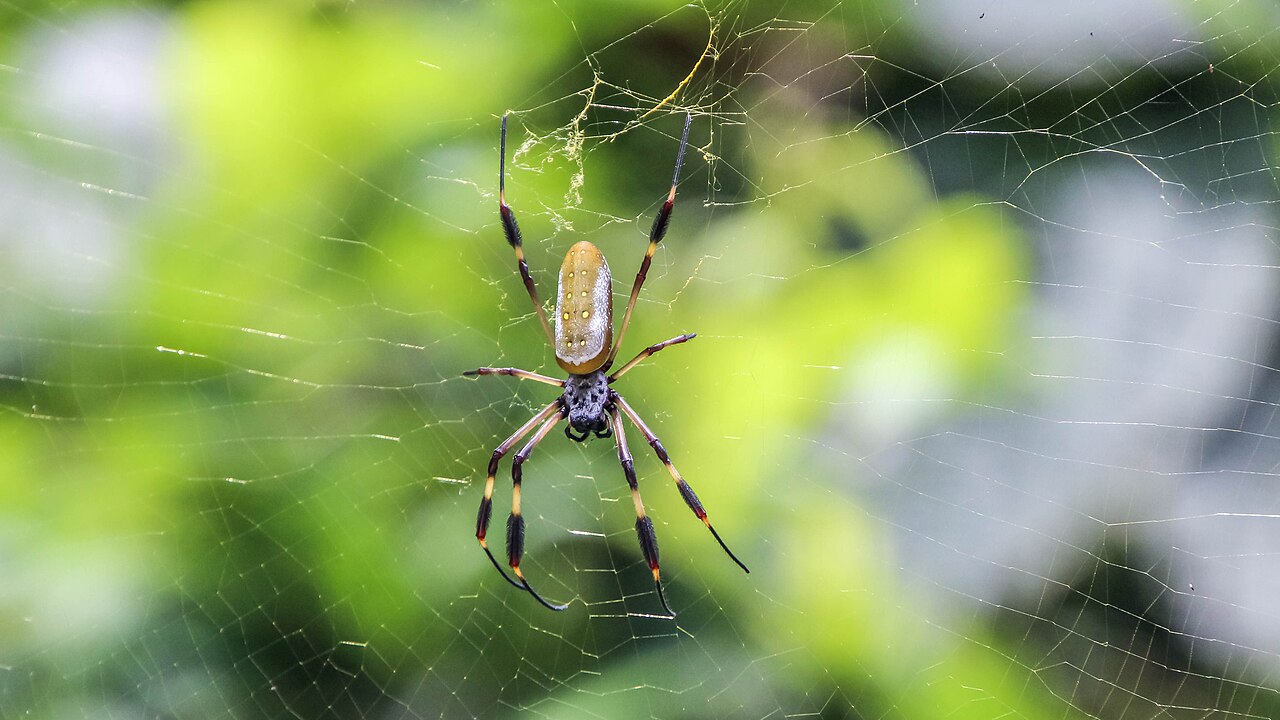
Spiders are not insects, and once you know the spider body plan, you will never mix them up again. Spiders also are not out to get us. A spider would much rather eat a mosquito than meet a person, and nearly all of them help us every single day.
Eight Legs
Every spider has eight walking legs. Insects have six. Count the legs and you already know which one you found.
Two Body Parts
A spider body has two main parts: a front part holding the legs and eyes, and a round back part, the abdomen. Insects have three parts.
No Wings, No Antennae
Spiders never have wings or antennae. The two small arms near the mouth, called pedipalps, are for feeling and tasting, not stinging.
Webs: Traps Made of Silk
All spiders make silk, but only some use it to catch food. Orb weavers build the classic round wheel web. Funnel weavers build a flat sheet with a tunnel to hide in. Cobweb spiders build a messy tangle in a corner. Silk is stronger, by weight, than steel, and one spider can make several kinds: sticky, stretchy, and tough.
Hunters skip the trap. Wolf spiders chase, jumping spiders stalk and pounce, and crab spiders sit still on a flower and grab whatever lands. Same silk, different job: hunters use it for safety lines, egg cases, and hideouts.
Venom, Explained Calmly
Almost all spiders have venom, because venom is how a small animal stops a fly and turns it into soup. But spider venom is made for insects, not people. For nearly every spider in this guide, a bite is no worse than a bee sting, and bites are rare, because spiders bite only when trapped against skin, like inside a sleeve.
Two spiders are different. Black widow and brown recluse venom can make a person genuinely sick, so those four profiles carry the red Handle With Care badge. Both are shy, both would rather hide than bite, and both are easy to leave alone once you know what they look like. That is the whole point of this guide.
Why Spiders Help
Scientists estimate that spiders eat hundreds of millions of tons of insects every year. In your house, one corner spider quietly removes flies, moths, and mosquitoes all summer. In the garden, spiders guard your tomatoes and flowers for free. A yard full of spiders is a yard where nature is working.
When and Where to Try
On a dewy morning, walk the lawn and look for funnel webs sparkling in the grass. Check porch lights at night for orb weavers and cat-faced spiders. Look on sunny fences for jumping spiders, under leaves for crab spiders, and in a quiet basement corner for cellar spiders. Bring a small flashlight and a magnifying glass, and remember the golden rule: look, enjoy, and let it be.
Widow or Recluse? Telling the Two Apart
Black widows are shiny black with a red hourglass under the round abdomen. They hang upside down in a messy, strong cobweb near the ground: in woodpiles, sheds, meter boxes, and rock piles. If you see a shiny black spider hanging in a tough, tangled web, admire it from a distance and walk on.
The brown recluse is plain brown, with long thin legs and a dark violin shape on its back, and it has six eyes instead of the usual eight. It lives only in the Midwest and South-Central states, hides in boxes, closets, and woodpiles, and does not hang in a web. It is not found in the Northeast, whatever the scary stories say. Most brown spiders everywhere else are harmless look-alikes.
Spider Sightings Map
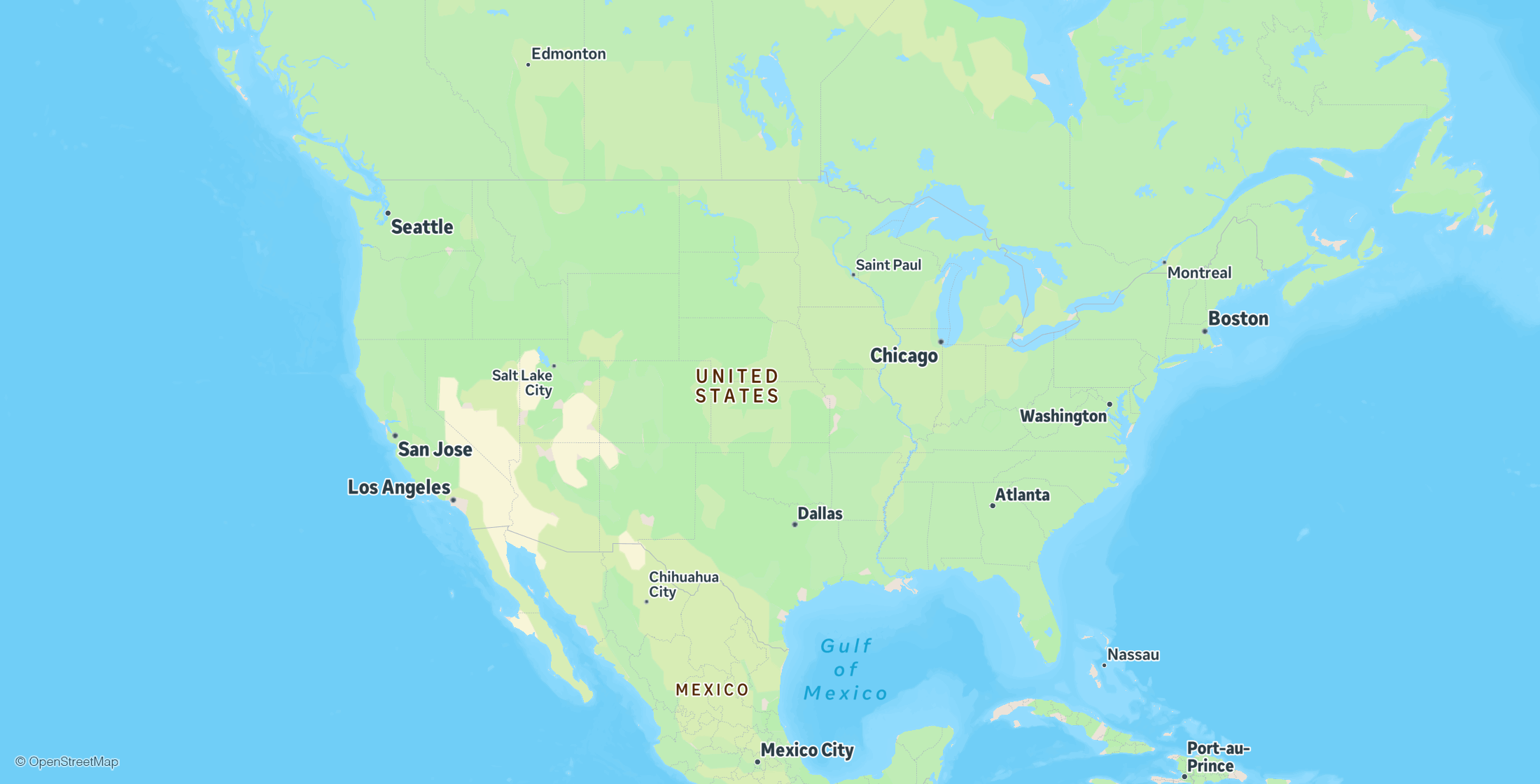
Spider spotters all over the United States and Canada are finding spiders: on garden webs, on sunny walls, and in quiet corners of the house. Every pin on this map is a real sighting sent in by email: the spider that was seen, a first name, the town and state, and the date it was spotted.
This shared map is different from your Spotted It! list on the cards above: that list stays on your device, just for you. A sighting only gets onto this map when a grown-up emails it to us, and we add the pin by hand.
© OpenStreetMap contributors
No sightings pinned yet. Be the first! Ask a grown-up to email us a sighting using the Report a Sighting section below, and we will add your pin to the map by hand.
Watch Your Spider
Enjoy your spider from a respectful distance and let it keep hunting. Remember what it looked like, where you were, and the date. A photo from a safe distance helps a lot.
Ask a Grown-Up to Email Us
A grown-up sends us the spider name if you know it, your first name, your town and state, and the date you spotted it. The email button below is ready to go.
Watch for Your Pin
We read every email first, then add new pins to the map by hand, in batches, so your pin may take a little while to appear. Keep checking back!
First names and towns only: pins show a first name, a town and state, and a date, never a last name and never a home address.
Get the App
Put Spiders of North America on your phone home screen, and it works like an app, even out in the garden with no signal.
iPhone or iPad
1. Tap the Share button (the square with an arrow pointing up).
2. Tap Add to Home Screen.
3. Tap Add. The spider icon lands on your home screen.
Android
1. Tap the ⋯ menu.
2. Tap Install app or Add to Home screen.
3. Tap Install. The spider icon lands on your home screen.
Photo Credits
Every photo in this guide is freely licensed, shared by the photographers below through Wikimedia Commons. Thank you to every one of them. Each coloring page is line art traced from that same spider real photo, so the shapes you color are the real spider shapes.
Family band photos: Northern Cardinal, photo by gary_leavens, CC BY-SA 2.0, Wikimedia Commons; Little Brown Bat, photo by Don Pfritzer, U.S. Fish and Wildlife Service, public domain, Wikimedia Commons; Eastern Milksnake, photo by Will Brown, CC BY 2.0, Wikimedia Commons; Barred Owl, photo by Mdf, CC BY-SA 3.0, Wikimedia Commons; Eastern Box Turtle, photo by Jarek Tuszynski, CC BY 4.0, Wikimedia Commons; American Bullfrog, photo by Carl D. Howe, CC BY-SA 2.5, Wikimedia Commons.